When you step into Fredericksburg, Virginia, you instantly feel like you’ve walked into a place where time slows down just enough for history to speak to you. Nestled along the tranquil banks of the Rappahannock River, roughly halfway between Washington, D.C., and Richmond, this remarkable city holds a deeply sacred spot in the heart of the American story.
To ask what Fredericksburg is famous for is to invite a long, beautiful conversation about courage, heartbreaks, founding fathers, and the enduring resilience of the human spirit. It isn’t just famous for dates written in history textbooks; it’s famous for being a living, breathing sanctuary where America’s past and present meet on tree-lined cobblestone streets.
The Footsteps of George Washington and Founding History
Long before it became a battleground, Fredericksburg was a cozy, bustling colonial port town. But ask any local what gives the town its pride, and they’ll likely point you across the river to Ferry Farm.
This is where a young George Washington spent his formative childhood years from age six onward. It’s where the legends of his boyhood were born, where he learned the land, and where he grew into the man who would eventually lead a young nation toward independence. You can almost picture him as a child, looking out over the water, completely unaware of the massive weight history would one day place on his shoulders.
The Washington family’s heart remained deeply rooted here for generations:
- Mary Washington House: Later in life, George bought a quiet home in town for his beloved mother, Mary Ball Washington, where she spent her final seventeen years. Today, visitors walk through those quiet rooms, moved by the simple, intimate reflection of a mother’s devotion to her son.
- Kenmore Plantation: Built by George’s sister, Betty Washington Lewis, and her husband Fielding Lewis, this breathtaking Georgian mansion stands as a testament to colonial craftsmanship and the personal sacrifices made by families who funded and supported the Revolutionary War.
- The Rising Sun Tavern: Built originally as a home by George’s brother, Charles Washington, this building later became a lively tavern where early patriots—including Thomas Jefferson, Patrick Henry, and Washington himself—gathered over warm drinks to debate the future of freedom.
In Fredericksburg, the men and women who shaped American democracy weren’t just historic figures on dollar bills—they were neighbors, brothers, mothers, and friends.
The Crucible of the Civil War: Hallowed Ground and Heavy Hearts
While its colonial roots run deep, Fredericksburg is perhaps most globally recognized for its tragic, pivotal role in the American Civil War. Because of its strategic location between the Union capital of Washington, D.C., and the Confederate capital of Richmond, the town found itself caught in the crosshairs of a nation divided.
In December 1862, the brutal Battle of Fredericksburg unfolded. It marked one of the largest, deadliest, and most heartbreaking conflicts of the war. Union forces braved the icy Rappahannock River under fire and engaged in intense street-by-street urban combat.
Marye’s Heights and the Sunken Road
Standing at the base of Marye’s Heights today, an overwhelming hush falls over you. It was here, along the infamous Sunken Road, that wave after wave of brave Union soldiers charged against entrenched defenses. The courage displayed on both sides was extraordinary, but the loss of life was staggering.
Yet amid the awful noise of battle, incredible moments of human compassion shone through. It was on this very ground that a young Confederate soldier named Richard Kirkland earned the nickname “The Angel of Marye’s Heights.” Moved by the agonizing cries of wounded Union soldiers lying in the freezing cold, Kirkland risked his own life to step over the stone wall, carrying canteens of fresh water to his fallen enemies. It’s a story that still brings tears to the eyes of those who hear it—a reminder that empathy can survive even in our darkest hours.
The Path to Freedom
Fredericksburg’s Civil War story isn’t only defined by military strategy; it’s fundamentally a story of human liberation. In 1862, as Union forces arrived along the Rappahannock, over 10,000 enslaved men, women, and children took unimaginable leaps of faith. They escaped nearby plantations and crossed the river toward the Union lines, claiming their freedom. Fredericksburg became a gateway to hope, dignity, and new beginnings for thousands of African American families.
Today, the Fredericksburg and Spotsylvania National Military Park preserves thousands of acres across four major battlefields (Fredericksburg, Chancellorsville, the Wilderness, and Spotsylvania Court House). Walking these peaceful, wooded trails leaves visitors with a profound sense of gratitude and solemn respect for the sacrifices made to heal a broken nation.
Historic Downtown: A Warm, Walking Tapestry
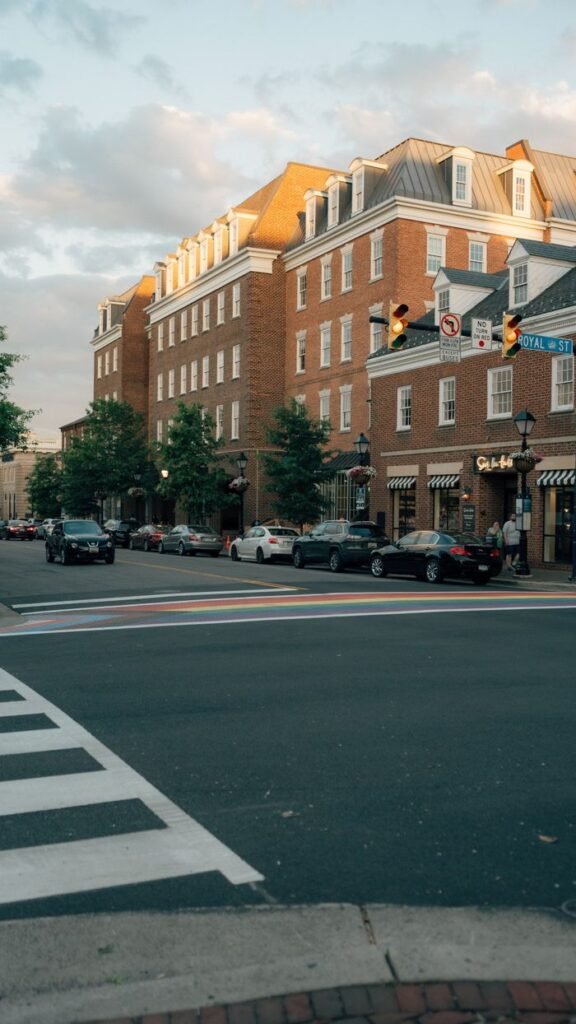
If history gives Fredericksburg its soul, its 40-block historic downtown district gives it its vibrant life. It is one of the most charming, walkable, and welcoming historic downtowns in the entire United States.
When you stroll down Caroline Street or Princess Anne Street, you aren’t looking at recreated sets; you’re looking at authentic 18th- and 19th-century brick buildings that have stood through wars, floods, and generations of change.
Downtown Fredericksburg is famous for:
- Antique Treasure Hunting: Known as a haven for antique lovers, the town’s charming shops are filled with timeless relics, vintage art, and heirlooms that tell stories of their own.
- The James Monroe Museum: Before he became the fifth President of the United States and authored the Monroe Doctrine, James Monroe practiced law right here in Fredericksburg. The museum houses an incredible collection of his personal possessions, including the very desk on which the Monroe Doctrine was penned.
- Hugh Mercer Apothecary Shop: A fascinating glimpse into 18th-century medicine, where doctor Hugh Mercer treated citizens with herbal remedies and colonial medical practices before dying heroically as a general in the Revolutionary War.
- Local Culinary Delights: From cozy, family-owned coffee houses to upscale, chef-driven bistros serving modern Southern cuisine, the downtown food scene warms the heart as much as it satisfies the appetite.
The Rappahannock River and Natural Beauty
It’s impossible to separate Fredericksburg from the river that birthed it. The Rappahannock River flows right alongside the city, serving as a gentle, scenic backdrop to daily life.
Historically, the river was the lifeblood of trade, bringing ships from around the globe to Fredericksburg’s docks. Today, it offers a peaceful escape for locals and travelers alike. Whether you’re kayaking down its calm stretches, walking along the riverside trails at Canal Path, or simply sitting on a bench watching the water pass by as the sunset glows off the trees, the river brings an unmistakable sense of serenity to the town.
Higher Learning and Creative Spirit
Fredericksburg is also widely celebrated for hosting the University of Mary Washington (UMW). Established in 1908, UMW brings a youthful, intellectual, and creative energy to the city. Its gorgeous campus—featuring tree-lined walkways and classic Virginia brick architecture—blends seamlessly with the town’s historical aesthetic.
The university enriches the local community with vibrant arts, theatre productions, public lectures, and a spirit of forward-thinking curiosity. It ensures that while Fredericksburg deeply honors its past, it always looks warmly toward the future.
Why Fredericksburg Stays in Your Heart
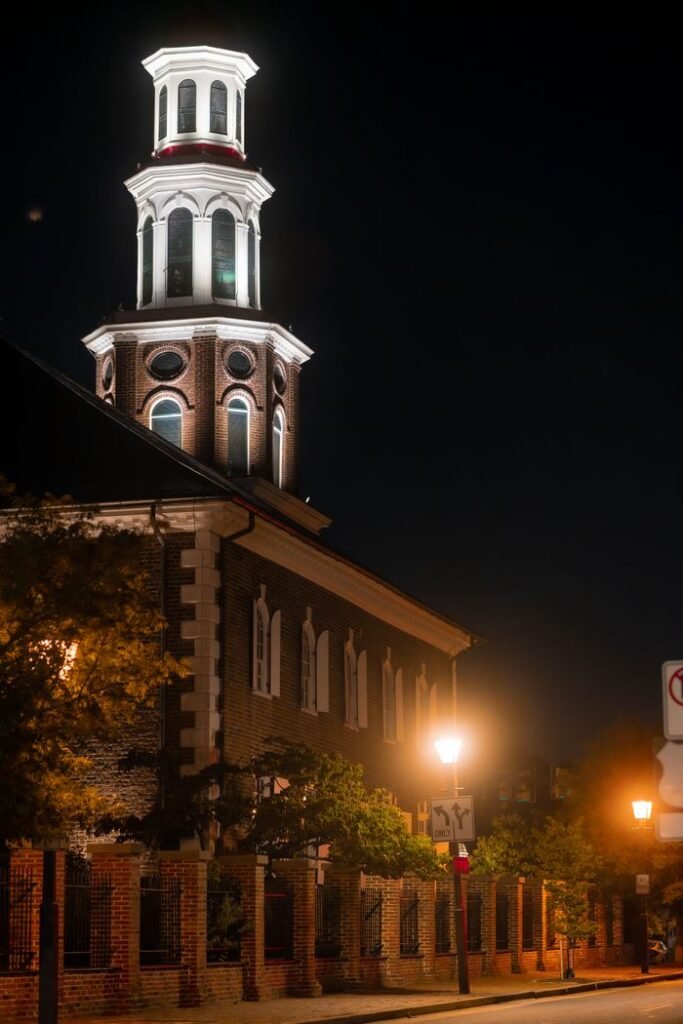
At the end of the day, Fredericksburg, Virginia, is famous for something far deeper than just famous names or historic battles. It is famous for its feeling.
It’s the warmth of a barista greeting you by name in a sunlit café. It’s the gentle rustle of leaves as you walk across a peaceful battlefield where heroes once fell. It’s the feeling of standing in the very room where George Washington hugged his mother goodbye before helping lead a new nation.
Fredericksburg reminds us where we came from. It captures the beauty of American heritage, the solemn weight of our history, and the gentle comfort of a true small-town community. Once you spend time here, a little piece of Fredericksburg stays with you forever.